Choosing the Right Montessori Child Programs
Choosing the right preschool program for your little one is a big decision. It’s about more than just finding a place to keep your child busy. It’s about setting the foundation for their lifelong love of learning. Montessori child programs offer a unique approach that many parents find appealing. But how do you know if it’s the right fit for your family? Let’s explore what makes Montessori special and how to choose the best program for your child.
Understanding Montessori Child Programs
Montessori child programs focus on nurturing a child’s natural curiosity and independence. These programs are designed to help children learn at their own pace in a carefully prepared environment. The classrooms are filled with hands-on materials that encourage exploration and discovery.
One of the key features of Montessori is the mixed-age classroom. Children of different ages learn together, which promotes peer learning and social development. Teachers act as guides rather than traditional instructors, allowing children to take the lead in their learning journey.
If you want your child to develop confidence, creativity, and a love for learning, Montessori might be the perfect choice. The approach emphasizes respect for each child’s individuality and encourages self-discipline.
What is the difference between a Montessori preschool program and a typical preschool program?
This is a question I often hear from parents. The difference lies in the philosophy and teaching methods. Typical preschools often follow a set curriculum with group activities led by the teacher. The focus is usually on preparing children for kindergarten through structured lessons and playtime.
Montessori preschools, on the other hand, offer a more child-centered approach. Children choose their activities from a range of options, allowing them to follow their interests. The materials are designed to teach specific concepts through hands-on learning. This method helps children develop critical thinking and problem-solving skills naturally.
Another difference is the role of the teacher. In Montessori programs, teachers observe and support rather than direct. They help children when needed but encourage independence. This creates a calm and focused learning environment.
If you want your child to have more control over their learning and develop at their own pace, Montessori is worth considering.
How to Evaluate Montessori Preschool Programs
Finding the right Montessori preschool program means looking beyond just the name. Here are some practical tips to help you evaluate programs:
Visit the Classroom
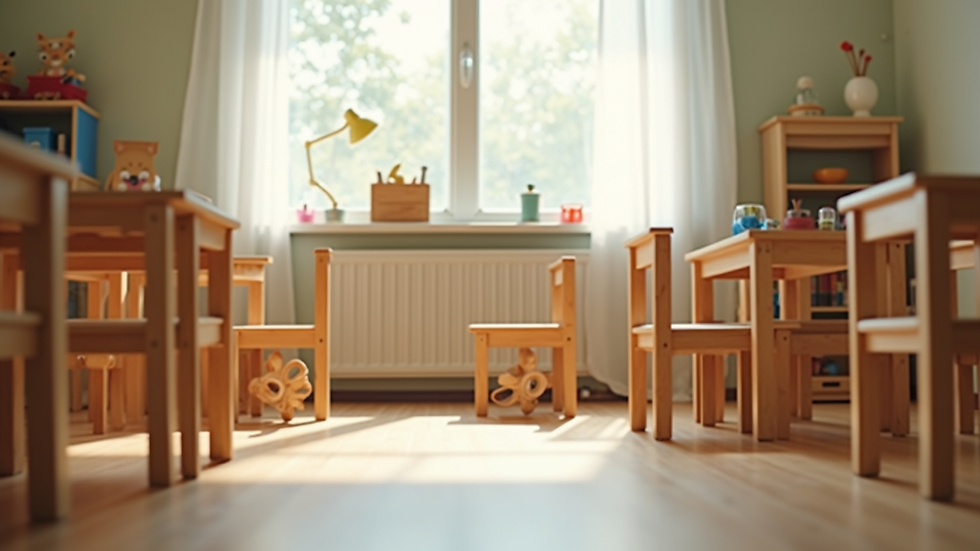
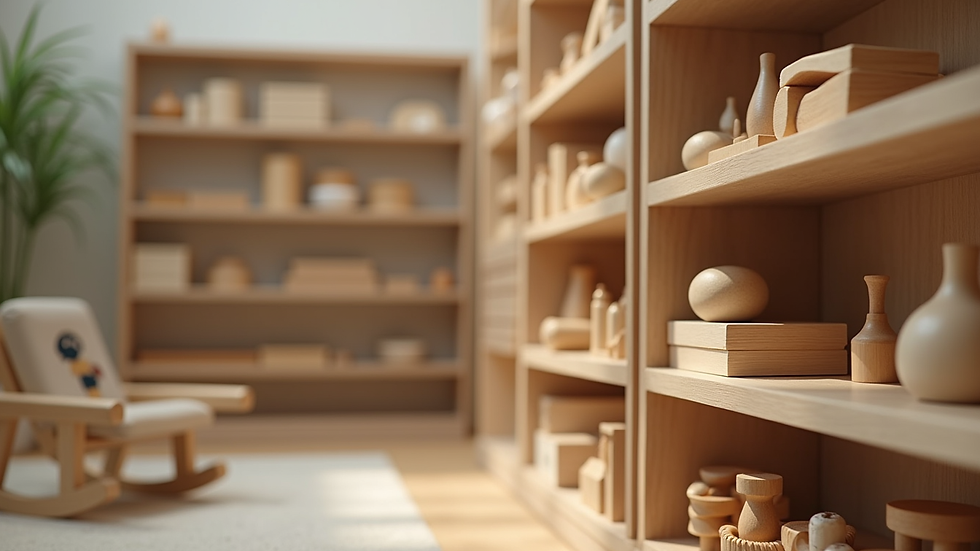
Spend time observing the classroom environment. Is it clean, organized, and inviting? Are the materials accessible to children? A true Montessori classroom will have child-sized furniture and a variety of hands-on learning tools.
Meet the Teachers
Talk to the educators about their training and experience. Montessori teachers usually have specialized certification. Ask how they support children’s independence and handle discipline.
Look for Mixed-Age Groups
Authentic Montessori programs have mixed-age classrooms, typically spanning three years. This setup encourages mentorship and social growth.
Ask About Curriculum and Daily Schedule
Find out how the day is structured. Montessori programs often have long work periods where children can focus deeply on activities. Check if the program balances freedom with guidance.
Check Parent Involvement Opportunities
Some programs encourage parents to participate or observe. This can help you stay connected with your child’s progress.
Review Safety and Cleanliness
Safety is always a priority. Make sure the facility meets local regulations and maintains high cleanliness standards.
By taking these steps, you’ll get a clear picture of whether a Montessori preschool program aligns with your family’s values and your child’s needs.
Why Choose Montessori Preschool Programs?
Choosing a preschool is about more than just academics. It’s about fostering a love of learning and building social skills. Montessori preschool programs offer several benefits that make them stand out:
Encourages Independence
Children learn to do things for themselves, from choosing activities to cleaning up. This builds confidence and responsibility.
Promotes Hands-On Learning
Kids engage with materials that teach concepts through touch and movement. This helps deepen understanding.
Supports Individual Learning Styles
Every child learns differently. Montessori allows children to explore subjects at their own pace and in their own way.
Develops Social Skills
Mixed-age classrooms encourage cooperation, empathy, and leadership.
Prepares for Lifelong Learning
The skills children develop in Montessori programs go beyond preschool. They learn how to think critically and solve problems.
If you want your child to thrive in a nurturing and stimulating environment, Montessori is a wonderful option.
Tips for Transitioning Your Child to a Montessori Preschool
Starting preschool can be a big change for your child. Here are some tips to make the transition smooth and positive:
Visit the School Together
Take your child to visit the classroom before their first day. Let them explore the space and meet the teachers.
Talk About What to Expect
Explain the daily routine in simple terms. Emphasize the fun activities and new friends they will make.
Establish a Goodbye Ritual
Create a special way to say goodbye each day. This can help your child feel secure.
Encourage Independence at Home
Practice skills like dressing, cleaning up toys, and making simple choices. This prepares your child for the Montessori approach.
Stay Positive and Patient
It’s normal for children to take time adjusting. Celebrate small successes and offer lots of encouragement.
By supporting your child through this change, you help them build confidence and excitement for learning.
Finding the Best Montessori Preschool Program Near You
If you’re in Iowa and looking for quality early childhood education, consider programs that combine experienced educators with a proven curriculum. Precious Moments Montessori Preschool & Daycare is one such place. They blend Montessori principles with innovative teaching to prepare children for kindergarten and beyond.
When searching for a program, use these strategies:
Ask for Recommendations
Talk to other parents or local parenting groups.
Check Online Reviews
Look for feedback on the school’s environment, teachers, and communication.
Visit Multiple Schools
Compare what each program offers and how your child responds.
Verify Credentials
Ensure the school and teachers have proper Montessori training and licensing.
Remember, the right program will feel like a good fit for your child’s personality and your family’s values.
For more information on montessori preschool programs, visit their website and explore what they offer.
Embracing Your Child’s Learning Journey
Choosing a Montessori child program is a wonderful step toward nurturing your child’s potential. These programs offer a warm, supportive environment where children can grow, explore, and develop essential skills. Remember, the best preschool is one where your child feels happy, safe, and inspired to learn.
Take your time, ask questions, and trust your instincts. Your child’s early years are precious, and the right Montessori preschool program can make all the difference in setting them up for success!
Happy exploring!


Comments