Engaging Activities to Foster Preschool Learning
- Ashley Stagray
- Jan 19
- 4 min read

When I think about the early years of a child’s life, I realize how important it is to create a warm and stimulating environment. These years are full of curiosity and discovery. That’s why I love sharing fun and engaging activities that help little ones learn and grow. These activities are not just play; they are the building blocks for future success in school and life!
Why Hands-On Learning Matters for Young Children
Young children learn best when they can touch, see, and explore. Hands-on activities make learning real and exciting. When kids use their hands and senses, they understand concepts better and remember them longer. For example, playing with blocks helps develop fine motor skills and introduces basic math ideas like counting and shapes.
I always encourage activities that involve movement and creativity. These help children develop their brains and bodies at the same time. Plus, they keep kids interested and eager to learn more!
Simple Activities That Spark Curiosity and Growth
You don’t need fancy toys or expensive materials to create meaningful learning experiences. Here are some easy activities that you can do at home or in a preschool setting:
Nature Walks: Take a walk outside and collect leaves, rocks, or flowers. Talk about colors, shapes, and textures. This helps children connect with the world around them.
Sorting Games: Use buttons, beads, or blocks to sort by color, size, or shape. Sorting builds early math skills and attention to detail.
Story Time with Props: Read a story and use puppets or toys to act it out. This makes stories come alive and improves language skills.
Simple Science Experiments: Try mixing baking soda and vinegar to see bubbles form. Kids love watching cause and effect in action.
Art Projects: Finger painting, cutting shapes, or making collages encourage creativity and fine motor development.
These activities are not only fun but also support important skills like problem-solving, communication, and social interaction.

Creating a Learning Environment That Feels Like Home
Children thrive in spaces where they feel safe and loved. Setting up a cozy and organized learning area can make a big difference. Here are some tips to create a welcoming space:
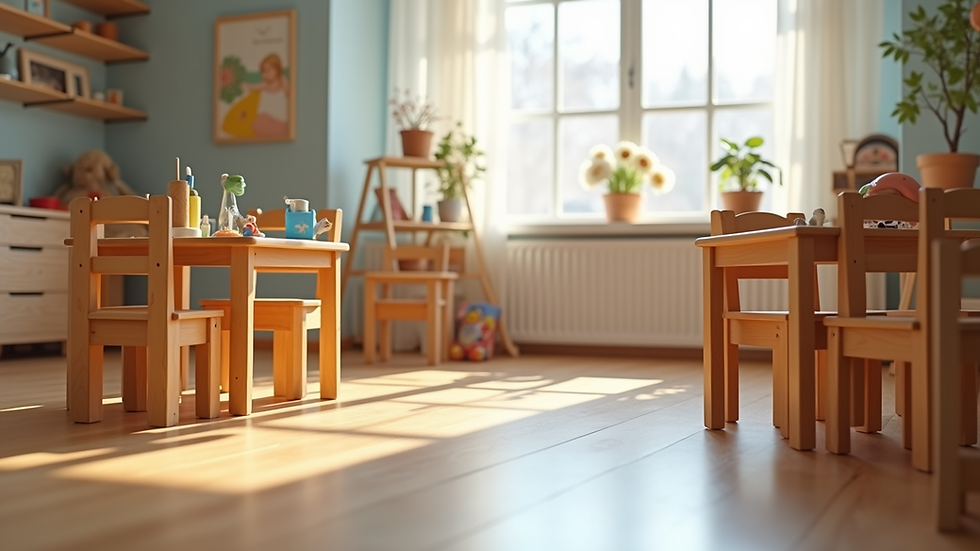
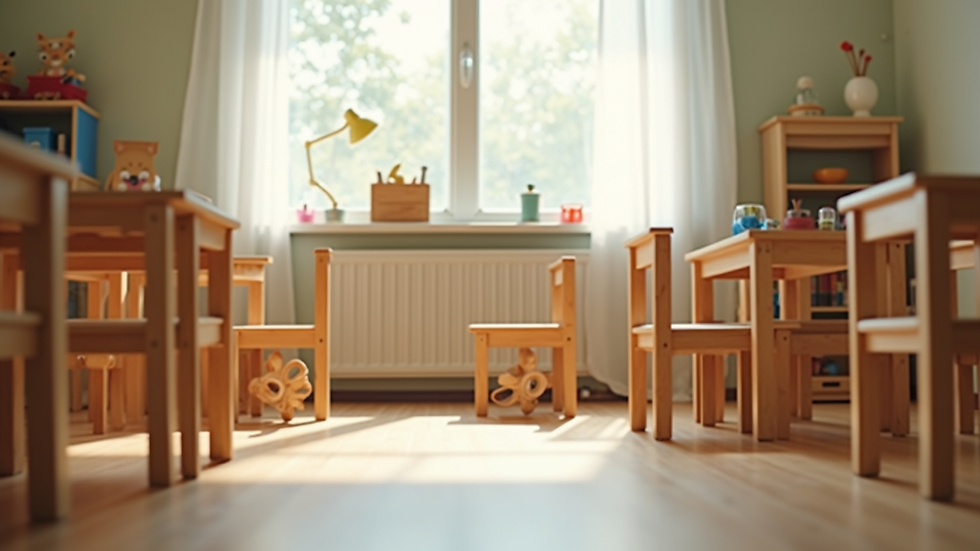
Use child-sized furniture so kids can move and work comfortably.
Keep materials within easy reach to encourage independence.
Display children’s artwork to celebrate their efforts and boost confidence.
Include a variety of sensory materials like sand, water, or textured fabrics.
Rotate toys and supplies regularly to keep things fresh and interesting.
When children feel at ease, they are more willing to explore and try new things. This kind of environment supports both emotional and cognitive growth.
How to Encourage Social Skills Through Play
Social skills are just as important as academic skills in early childhood. Play is the perfect way to teach sharing, cooperation, and empathy. Here are some ideas to promote positive social interactions:
Group Games: Simple games like “Simon Says” or “Duck, Duck, Goose” teach children to follow rules and take turns.
Role-Playing: Pretend play with costumes or dolls helps kids understand different perspectives and practice communication.
Partner Projects: Working together on a craft or building project encourages teamwork and problem-solving.
Emotion Charades: Act out feelings like happy, sad, or surprised to help children recognize and express emotions.
By guiding children through these social experiences, we help them build strong relationships and emotional intelligence.

Supporting Early Literacy and Numeracy Skills
Getting ready for kindergarten means building a foundation in reading, writing, and math. You can support these skills in fun and natural ways:
Letter Hunts: Look for letters in books, signs, or around the house. This makes letter recognition exciting.
Counting Everyday Objects: Count snacks, steps, or toys to practice numbers in real life.
Name Writing Practice: Encourage children to write their names using crayons or markers. This builds fine motor skills and letter awareness.
Rhyming Games: Play with words that sound alike to develop phonemic awareness.
Number Songs and Rhymes: Sing songs that include counting to make numbers memorable.
These activities help children feel confident and ready for the challenges of school.
Bringing It All Together with Preschool Activities
I love how these simple, engaging activities come together to create a rich learning experience. Whether it’s exploring nature, playing with friends, or practicing letters and numbers, every moment counts. At Precious Moments Montessori Preschool & Daycare, we blend these ideas into a unique curriculum that prepares children for kindergarten and beyond.
Our experienced and loving educators know how to make learning joyful and meaningful. We focus on each child’s individual needs and interests, helping them grow at their own pace. If you’re looking for quality childcare in Iowa that truly supports your child’s development, consider joining our community!
Making Every Day a Learning Adventure
Every day is a chance to discover something new. By incorporating these engaging activities into your child’s routine, you create a world full of wonder and learning. Remember, the best learning happens when children feel loved, supported, and excited to explore.
So, gather some simple materials, follow your child’s lead, and watch their confidence and skills blossom. Learning is a journey, and it’s one of the most precious moments we can share with our little ones!
Let’s make early childhood a time of joy, growth, and endless possibilities!

Comments