Montessori Teaching vs Traditional Methods: Key Differences Explained

Choosing the right preschool for your little one is a big decision! I know how important it is to find a place where your child feels safe, loved, and excited to learn. Two popular approaches often come up in conversations: Montessori teaching vs traditional methods. Both have their strengths, but they offer very different experiences for young children. Let’s explore these differences together so you can feel confident in your choice.
Understanding Montessori Teaching vs Traditional Methods
Montessori and traditional preschools differ in many ways, from classroom setup to teaching style. Montessori education is child-centered. It encourages kids to explore and learn at their own pace. Traditional preschools tend to follow a more structured schedule with teacher-led activities.
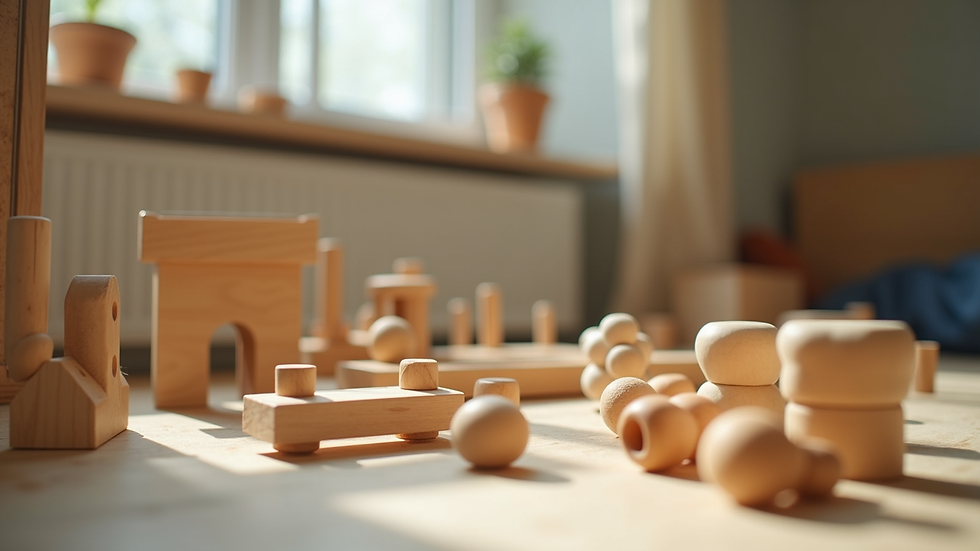
In Montessori classrooms, you’ll see children choosing their own activities from a range of hands-on materials. These materials are designed to develop specific skills like fine motor control, math, or language. The teacher acts as a guide, stepping in only when needed. This approach fosters independence and self-motivation.
Traditional preschools often have a set curriculum with group lessons, storytime, and play periods. Teachers lead the class through planned activities, helping children learn together. This method emphasizes social skills, routine, and foundational academics.
Both methods aim to prepare children for kindergarten, but they do so in unique ways. Montessori focuses on nurturing curiosity and self-discipline, while traditional preschools emphasize structure and group learning.

How Montessori and Traditional Preschools Support Child Development
Both Montessori and traditional preschools support early childhood development, but they prioritize different skills.
Montessori classrooms promote:
Independence: Children choose their work and manage their time.
Concentration: Activities are designed to hold attention and encourage deep focus.
Practical life skills: Kids learn everyday tasks like pouring, cleaning, and dressing.
Sensory development: Materials engage the senses to build cognitive skills.
Traditional preschools focus on:
Social skills: Group activities teach sharing, cooperation, and communication.
Routine: A predictable schedule helps children feel secure.
Early academics: Teachers introduce letters, numbers, and basic concepts.
Creative play: Art, music, and imaginative play are common.
Both approaches help children grow emotionally, socially, and intellectually. The best choice depends on your child’s personality and your family’s values.
Is Montessori Good for Kids with Dyslexia?
Many parents wonder if Montessori education is a good fit for children with learning differences like dyslexia. The answer is often yes! Montessori’s hands-on, multi-sensory approach can be very helpful for kids who struggle with traditional reading methods.
Montessori materials allow children to learn letters and sounds through touch and movement, not just visual or auditory input. This can make learning more accessible and less frustrating. The self-paced nature of Montessori also means children can spend more time mastering skills without pressure.
That said, every child is unique. If your child has dyslexia, look for a Montessori school with trained educators who understand learning differences. Combining Montessori methods with specialized support can create a nurturing environment where your child thrives.
Practical Tips for Choosing Between Montessori and Traditional Preschools
When deciding between Montessori and traditional preschools, consider these practical tips:
Visit the classrooms: Observe how children interact with teachers and materials. Is the environment calm and inviting? Are kids engaged and happy?
Ask about teacher training: Montessori teachers undergo specific training. Traditional preschool teachers may have early childhood education degrees. Both are valuable but different.
Consider your child’s learning style: Does your child prefer exploring independently or enjoy group activities? Are they self-motivated or do they need more guidance?
Look at the daily schedule: Montessori days are flexible, while traditional preschools have set routines. Which fits your family’s lifestyle better?
Check communication: How does the school keep parents informed? Regular updates and parent involvement are important.
Think about your goals: Are you looking for a program that emphasizes creativity and independence or one that prepares your child with structured academics?
Remember, there is no one-size-fits-all answer. The right preschool is the one where your child feels supported and excited to learn every day.
Why Montessori vs Traditional Preschool Matters for Your Child’s Future
Choosing between montessori vs traditional preschool is more than just picking a school. It’s about setting the foundation for your child’s lifelong love of learning. Montessori education encourages children to become independent thinkers and problem solvers. Traditional preschools build social skills and prepare kids for the classroom environment they will encounter in elementary school.
Both approaches have proven benefits. What matters most is finding a place where your child’s unique needs and personality are honored. When children feel confident and cared for, they thrive academically and emotionally.
If you want a preschool that blends the best of both worlds, look for programs that combine Montessori principles with traditional elements. This balanced approach can offer structure and freedom, preparing children for success in kindergarten and beyond.
I hope this guide helps you feel more confident about the differences between Montessori teaching vs traditional methods. Remember, the best preschool is one where your child feels loved, supported, and excited to learn every day. Your child’s early years are precious moments indeed!
If you want to learn more about how these approaches compare, check out this helpful resource on montessori vs traditional preschool.
Happy preschool hunting!


Comments