Understanding Early Childhood Curriculum Methods
- Ashley Stagray
- Jun 22
- 4 min read

When it comes to nurturing young minds, choosing the right curriculum is essential. Early childhood education sets the foundation for a child’s future learning and development. I’ve spent a lot of time exploring different early childhood curriculum methods, and I’m excited to share what I’ve learned with you! Understanding these methods can help you make informed decisions about your child’s early learning experience.
Early childhood education is more than just playtime. It’s about creating a rich environment where children can explore, discover, and grow. The curriculum you choose shapes how your child interacts with the world around them. Let’s dive into the most popular and effective early childhood curriculum methods and see how they can benefit your little one.
Exploring Popular Early Childhood Curriculum Methods
There are several early childhood curriculum methods, each with its unique focus and approach. Some emphasize play, others focus on academics, and some blend both to create a balanced learning experience. Here are a few popular methods you might encounter:
Montessori Method: This method encourages independence and hands-on learning. Children choose activities that interest them, fostering self-motivation and concentration.
Reggio Emilia Approach: This approach values creativity and expression. It encourages children to explore their environment and express themselves through art, music, and storytelling.
HighScope Curriculum: This method uses active participatory learning. Children plan, do, and review their activities, promoting decision-making and problem-solving skills.
Bank Street Approach: This approach focuses on social studies and experiential learning. It integrates emotional, social, and cognitive development.
Each method has its strengths, and many preschools blend elements from several approaches to create a unique curriculum tailored to their community’s needs.
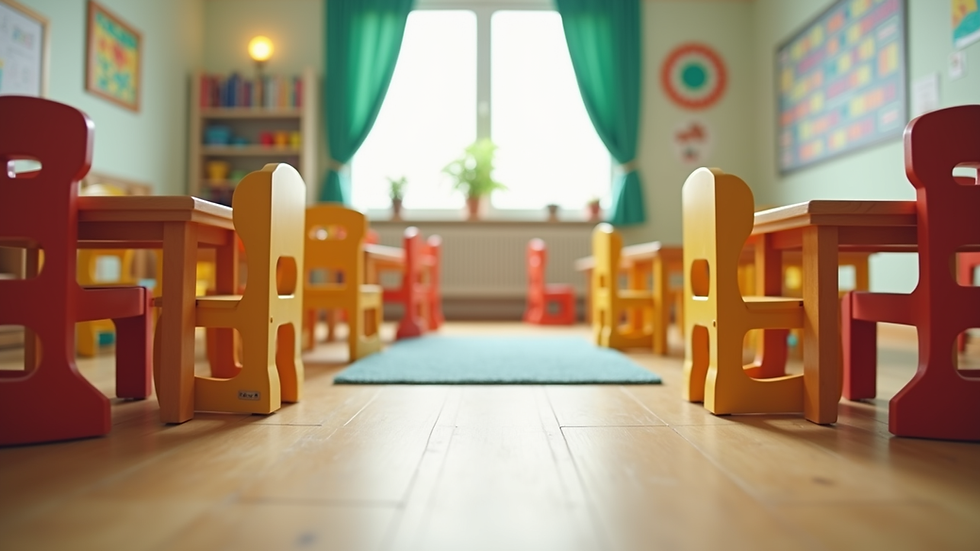
Montessori classrooms are designed to encourage independence and exploration.
What are the 4 approaches to curriculum?
Understanding the four main approaches to curriculum helps clarify how early childhood education is structured. These approaches guide how teachers plan activities and interact with children:
Subject-Centered Approach
This approach organizes learning around specific subjects like math, science, or language. It’s more structured and teacher-directed, focusing on academic skills.
Child-Centered Approach
Here, the child’s interests and needs drive the curriculum. Activities are flexible and designed to encourage exploration and creativity.
Integrated Approach
This combines subject-centered and child-centered methods. It connects different subjects through themes or projects, making learning more meaningful.
Developmental Approach
This approach focuses on the child’s developmental stages. Activities are tailored to support physical, emotional, social, and cognitive growth.
Knowing these approaches helps you understand the philosophy behind different early childhood curriculum methods. It also highlights why some programs might feel more structured while others seem more playful and flexible.
How to Choose the Right Curriculum for Your Child
Choosing the right curriculum can feel overwhelming, but it doesn’t have to be! Here are some practical tips to help you decide:
Consider Your Child’s Personality
Is your child more independent or do they thrive with guidance? Some methods like Montessori suit independent learners, while others like HighScope offer more structure.
Look for Balance
A good curriculum balances play and learning. Children need time to explore and be creative, but also opportunities to develop early academic skills.
Visit Preschools
Seeing classrooms in action gives you a feel for the environment and teaching style. Ask about how they implement their curriculum and how they support each child’s growth.
Ask About Teacher Qualifications
Experienced and caring educators make a huge difference. They know how to adapt curriculum methods to meet each child’s needs.
Check for Family Involvement
Programs that encourage parent participation help reinforce learning at home and build a strong community.
Remember, the best curriculum is one that fits your child’s unique needs and helps them feel confident and excited about learning.

Classrooms filled with diverse materials support hands-on learning and creativity.
The Role of Play in Early Childhood Curriculum Methods
Play is not just fun - it’s a powerful learning tool! Most early childhood curriculum methods recognize the importance of play in developing critical skills. Through play, children learn to:
Solve problems
Communicate with others
Develop fine and gross motor skills
Express emotions
Build creativity and imagination
For example, the Reggio Emilia approach uses play as a way for children to express their ideas and feelings. Montessori classrooms include purposeful play with materials that teach concepts like math and language. Even more structured methods like HighScope incorporate play-based learning to keep children engaged.
Encouraging play in early education helps children develop a love for learning that lasts a lifetime. It also supports social skills and emotional well-being, which are just as important as academic readiness.
Supporting Your Child’s Learning Journey at Home
You don’t have to leave learning to the classroom! Supporting your child’s development at home is easy and rewarding. Here are some simple ways to complement early childhood curriculum methods:
Create a Learning-Friendly Space
Set up a small area with books, art supplies, and puzzles. This encourages curiosity and independent exploration.
Read Together Daily
Reading builds language skills and sparks imagination. Choose books that match your child’s interests.
Encourage Questions and Exploration
When your child asks questions, explore the answers together. This nurtures critical thinking.
Incorporate Play into Daily Routines
Use everyday moments like cooking or grocery shopping as learning opportunities.
Stay Connected with Educators
Communicate regularly with your child’s teachers to understand their progress and how you can support learning at home.
By actively participating in your child’s early education, you help reinforce the skills and values taught through their curriculum. It’s a wonderful way to bond and watch your child grow!
Choosing the right early childhood curriculum method is a big step, but it’s also an exciting one! By understanding the different approaches and what they offer, you can find a program that nurtures your child’s natural curiosity and prepares them for a bright future. Remember, the best learning happens when children feel loved, supported, and inspired every day. Here’s to happy learning adventures ahead!


Comments