Unlocking the Benefits of Montessori Education: Why Choose Montessori Preschools?
- Ashley Stagray
- Mar 31
- 3 min read

Choosing the right preschool for your little one is a big decision. You want a place where your child feels safe, loved, and inspired to learn. Montessori preschools offer a unique approach that nurtures independence, creativity, and a lifelong love of learning. I’m excited to share with you the many benefits of Montessori education and why it might be the perfect fit for your child’s early years!
The Benefits of Montessori Education for Young Children
Montessori education is more than just a teaching method - it’s a philosophy that respects each child’s natural development. Here’s why it stands out:
Encourages independence: Children learn to do things by themselves, from pouring water to choosing activities. This builds confidence and self-reliance.
Fosters curiosity: Montessori classrooms are filled with hands-on materials that invite exploration and discovery.
Supports social skills: Kids learn to work together, share, and respect each other’s space and choices.
Develops concentration: Activities are designed to engage children deeply, helping them focus and complete tasks.
Promotes love of learning: Instead of memorizing facts, children learn through experience, making education meaningful and fun.
For example, a child might spend time carefully arranging colored beads to understand math concepts or use a sandpaper letter to feel the shape of a letter before writing it. These activities make learning tangible and exciting!

How is Montessori Different from Preschool?
You might wonder, how does Montessori differ from a traditional preschool? The differences are clear and impactful:
Child-led learning: In Montessori, children choose their activities based on their interests. Traditional preschools often follow a set schedule with teacher-led lessons.
Mixed-age classrooms: Montessori groups children of different ages together, encouraging peer learning and mentorship. Traditional preschools usually separate children by age.
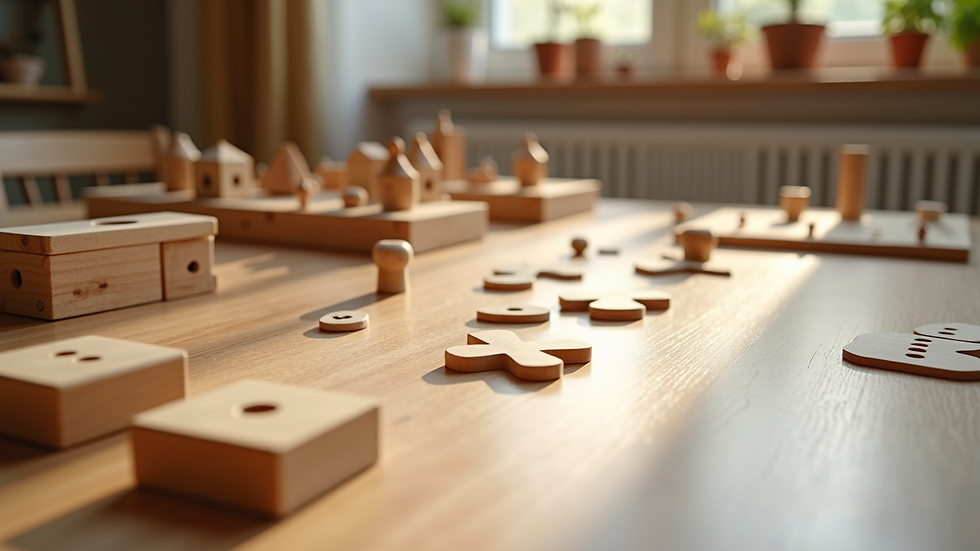
Prepared environment: Montessori classrooms are carefully designed to be inviting and accessible, with materials arranged on low shelves. This contrasts with traditional classrooms that may have more rigid setups.
Focus on practical life skills: Montessori emphasizes real-world skills like dressing, cleaning, and cooking, helping children become independent in daily life.
Longer work periods: Children have uninterrupted blocks of time to engage deeply with activities, unlike the shorter, segmented times in many preschools.
This approach helps children develop at their own pace, building a strong foundation for future learning and personal growth.
What to Look for in a Montessori Preschool
If you’re considering a Montessori preschool, here are some tips to help you find the right one:
Certified Montessori teachers: Look for educators trained in Montessori methods who understand child development deeply.
Prepared environment: The classroom should be bright, organized, and filled with Montessori materials accessible to children.
Mixed-age groups: This encourages social development and peer learning.
Child-centered approach: Teachers should observe and guide rather than direct every activity.
Parent involvement: A good Montessori school welcomes parents and keeps them informed about their child’s progress.
Visiting a school and observing a classroom in action can give you a real sense of how the environment supports your child’s growth. Don’t hesitate to ask questions about the curriculum, daily routines, and teacher qualifications.
How Montessori Prepares Children for Kindergarten and Beyond
Montessori education doesn’t just prepare children for preschool - it sets them up for success in kindergarten and life! Here’s how:
Strong academic foundation: Children develop early literacy and math skills through hands-on learning.
Self-discipline: The freedom to choose activities comes with the responsibility to complete them, teaching focus and self-control.
Problem-solving skills: Montessori encourages children to think critically and find solutions independently.
Love of learning: When children enjoy learning, they are more motivated and confident in school.
Social-emotional skills: Respect, empathy, and cooperation are core values in Montessori classrooms.
For example, a child who has practiced pouring water and tying shoelaces will enter kindergarten with practical skills and confidence. This smooth transition helps reduce anxiety and supports academic success.
Finding the Right Montessori Preschool Near You
If you’re ready to explore Montessori options, start by searching for a montessori preschool near me. Visiting local schools and talking to teachers can help you find a place that feels like a second home for your child.
Remember, the best Montessori preschool is one that aligns with your family’s values and supports your child’s unique needs. With the right environment, your child will thrive, gaining skills and confidence that last a lifetime.
Choosing Montessori means choosing a warm, nurturing space where your child’s natural curiosity and independence are celebrated every day. It’s a wonderful gift that sets the stage for a bright future!
I hope this guide helps you understand the incredible benefits of Montessori education. Your child deserves the best start, and Montessori preschools offer just that - a loving, inspiring place to grow and learn. Happy preschool hunting!


Comments