The Principles Behind Montessori Teaching Principles
- Precious Moments Montessori
- Apr 23
- 4 min read
When I first learned about the Montessori teaching principles, I was fascinated by how they focus on nurturing a child’s natural curiosity and love for learning. These principles create a warm, inviting environment where children feel safe to explore and grow at their own pace. It’s a philosophy that respects each child’s individuality and encourages independence from the very start. If you’re looking for a preschool approach that truly honors your child’s unique journey, understanding these principles is a great place to start!
Montessori education is not just about teaching kids facts or skills. It’s about how children learn best and creating a space that supports that process. The montessori preschool philosophy is built on respect, freedom within limits, and hands-on learning. These ideas come together to form a powerful foundation for early childhood education.
What Are Montessori Teaching Principles?
Montessori teaching principles are the heart of this educational approach. They guide how teachers interact with children, how classrooms are set up, and how learning materials are designed. Here are some of the key principles that make Montessori education so special:
Respect for the Child: Every child is treated as an individual with their own interests and pace. Teachers observe carefully and follow the child’s lead.
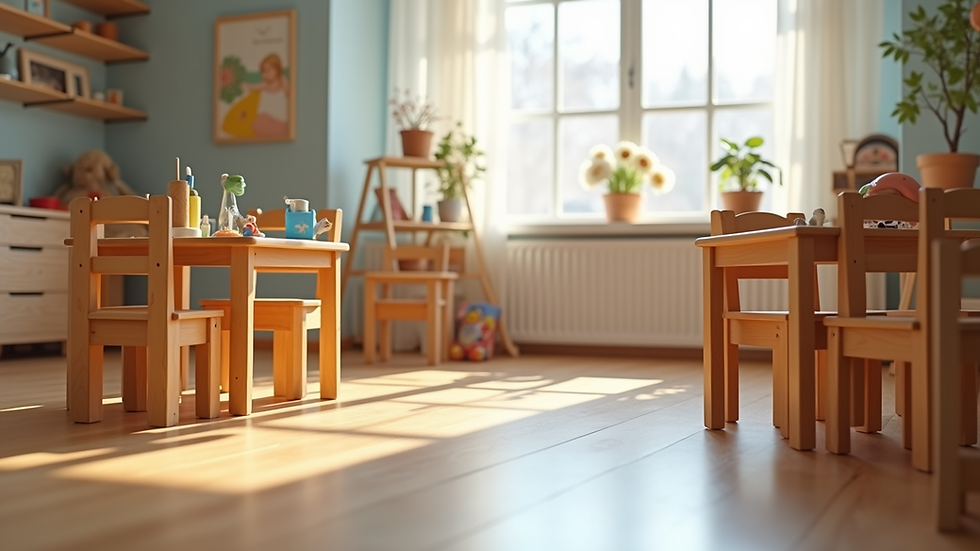
Prepared Environment: Classrooms are thoughtfully arranged to encourage independence and exploration. Materials are accessible and designed for self-correction.
Autoeducation: Children learn best when they discover things on their own. Montessori materials allow kids to see and correct their own mistakes.
Sensitive Periods: These are windows of time when children are especially ready to learn certain skills. Montessori teachers recognize and support these phases.
Freedom Within Limits: Kids have the freedom to choose activities but within clear boundaries that keep the classroom safe and respectful.
These principles work together to create a learning experience that feels natural and joyful. Children are not rushed or pressured. Instead, they develop confidence and a love for learning that lasts a lifetime.
What Are the 5 Principles of Montessori Philosophy?
To dive deeper, let’s explore the five core principles that form the foundation of Montessori education:
Respect for the Child
This means honoring each child’s individuality and treating them with kindness and understanding. Teachers listen carefully and support children’s choices, helping them build self-esteem.
The Absorbent Mind
Young children have an incredible ability to absorb information from their environment effortlessly. Montessori education takes advantage of this by providing rich, meaningful experiences.
Sensitive Periods
These are special times when children are particularly open to learning specific skills, like language or movement. Recognizing these periods helps teachers provide the right activities at the right time.
Prepared Environment
The classroom is designed to encourage independence and exploration. Materials are organized and accessible, allowing children to work at their own pace.
Autoeducation
Children learn best when they can explore and discover on their own. Montessori materials are designed to be self-correcting, so kids can learn from their mistakes without frustration.
By focusing on these principles, Montessori education creates a nurturing space where children thrive. They learn to be curious, confident, and capable.
How Montessori Teaching Principles Support Child Development
One of the things I love most about Montessori teaching principles is how they support every area of a child’s development. From physical skills to emotional growth, these principles create a balanced approach.
Cognitive Development: Children engage with hands-on materials that teach concepts like math, language, and science in a concrete way. This helps build strong foundations for future learning.
Social Skills: Montessori classrooms encourage cooperation and respect. Children learn to work together, share, and solve problems peacefully.
Emotional Growth: By giving children freedom within limits, they develop self-discipline and confidence. They learn to manage their emotions and make thoughtful choices.
Physical Development: Activities like pouring, sorting, and using tools help refine fine motor skills. Movement is also encouraged to support overall health and coordination.
For example, a child might choose to work with a set of wooden beads to practice counting. This hands-on activity not only teaches math but also improves concentration and hand-eye coordination. The child feels proud of their accomplishment, boosting self-esteem.

Practical Tips for Parents Interested in Montessori Education
If you’re considering Montessori for your little one, here are some practical ways to bring these principles into your home and daily routine:
Create a Prepared Environment: Set up child-friendly spaces where your child can access toys, books, and art supplies independently. Keep things organized and simple.
Encourage Independence: Let your child try tasks on their own, like dressing, pouring drinks, or tidying up. Offer help only when needed.
Follow Your Child’s Interests: Pay attention to what fascinates your child and provide materials or activities that support those interests.
Use Real-Life Activities: Involve your child in everyday tasks like cooking, gardening, or cleaning. These activities teach practical skills and build confidence.
Be Patient and Observant: Watch how your child learns and grows. Avoid rushing or interrupting their concentration.
By embracing these tips, you’ll support your child’s natural development and foster a love of learning that will serve them well in preschool and beyond.
Why Montessori Philosophy is a Great Choice for Early Childhood Education
Choosing the right preschool is a big decision. The Montessori philosophy offers a unique approach that prepares children not just academically but also socially and emotionally. It’s a holistic method that respects your child’s individuality and encourages lifelong learning.
At Precious Moments Montessori Preschool & Daycare, we blend these timeless principles with innovative programs to create a nurturing environment. Our experienced educators guide children through a curriculum designed to prepare them for kindergarten and beyond. We believe every child deserves a joyful, meaningful start to their education.
If you want your child to grow in a place where curiosity is celebrated and independence is encouraged, Montessori might be the perfect fit. It’s more than a teaching method - it’s a way to honor your child’s potential and help them shine!
I hope this gives you a clear picture of the beautiful principles behind Montessori teaching principles. Remember, the key is to create a loving, prepared environment where your child feels free to explore and learn. That’s the heart of the montessori preschool philosophy and why it continues to inspire families around the world!


Comments